द्रष्टा दृशिमात्रः शुद्धोऽपि प्रत्ययानुपश्यः ॥ २.२० ॥
draṣṭā dṛśimātraḥ śuddho’pi pratyayānupaśyaḥ|| 2.20 ||
The spectator is just consciousness, absolutely pure, direct perception…
“The spectator” (draṣṭā) is soul. He is “absolute sentience” (dṛśimātra), sensation only. The object of using the term “absolute” (mātra) is to preclude the idea of the quality and the qualified, (i.e., he is himself sensation and not possessed of sensation). Some explain sensation to be an attribute of soul.
He, the spectator, ‘though pure,’ (śuddhopi), i.e. although existing by himself in his own essence, being above all liability to modification and the like, “directly beholds intellected ideas.” “Intellected ideas” (pratyayas) are knowledge tinctured by worldly objects. “Directly” (anu), without any intervention, or without any medium, he beholds (paśryati).
[The soul is sentience only, i.e., it consists of sentience and nothing more. In this condition it is absolutely pure, being unalloyed by any other object. It, nevertheless, directly beholds intellected ideas, or is the percipient, of all ideas without any intervention. This is effected by its proximity to the intellect, which receives the impressions of the outer world. The act of modification or change which perception implies is effected in the intellect, and does not extend to the soul. This distinction is necessary for the purpose of maintaining the immutability and perfect purity of the soul, for the admission of change would destroy its immutability and absolute purity.]
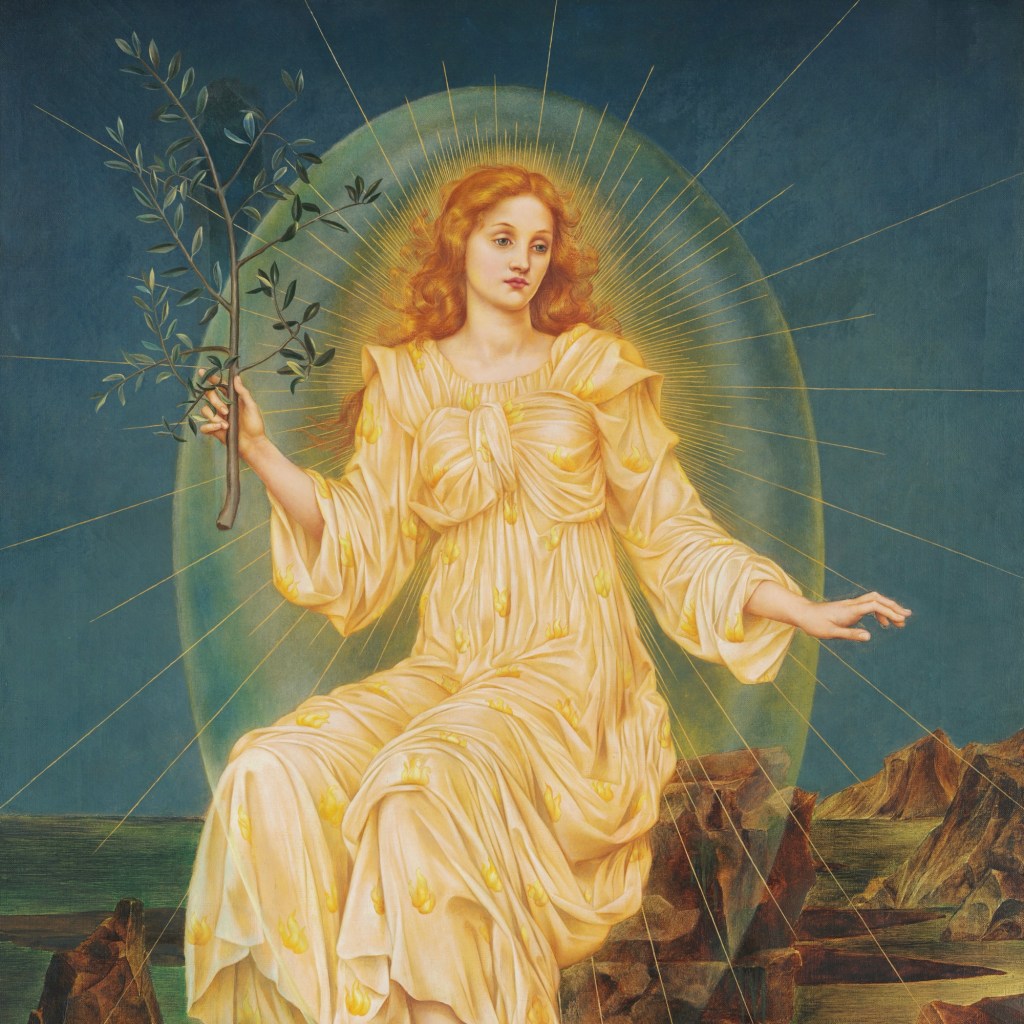
The True Self is infinite. It knows no boundaries. Pure essence,
pure light,
engulfing the mind, the soul,
the body, the invisible realm
with its radiance.
-Alberto Villoldo
These aphorisms would seem, at first sight, to express a paradoxical idea. When Patañjali says that the experiencer is identified with the object of experience in order that the true nature of both may be known, and then adds that this identification is caused by ignorance—we feel a certain bewilderment.
We are bewildered because Patañjali seems to be accepting and even somehow approving of this ignorance. Surely, ignorance is undesirable? Surely, it would have been much better if we had never become alienated from the Atman, never ceased to be aware of our real nature? It is rather as if a prisoner would say complacently: “This prison exists in order that I may eventually get out of it,” disregarding the fact that, if he had not committed a crime, he need never have gone to prison at all.
And yet, this bewilderment that we feel is merely another product of this same ignorance. Rooted in maya, we cannot hope to understand maya or to judge the “justice” or “injustice” of its bondage by our little relative, ethical standards. All we do know for certain is this: that the great saints who found liberation did not look back upon their struggles with bitterness or regret. They did not even regard maya with horror; rather, they saw it as a fascinating and amusing play. They rejoiced in their long fight for freedom. Swami Vivekananda, near the end of his life, could write; “I am glad I was born, glad I suffered so, glad I did make big blunders, glad to enter peace.” Faced by the seeming paradox of the Atman-Prakriti relationship, we are naturally troubled by doubt and confusion. But, instead of wasting our time reasoning and philosophizing, we shall do better to keep our eyes fixed on those tremendous figures who reached the end of the journey and stand, as it were, beckoning to us to follow them. Their triumph is our reassurance that somehow—in some way which we cannot yet understand—all is for the best.
In Bhagavadgītā, Kṛṣṇa says[7] ,
“They say that senses are superior (to the body); superior to the senses is the mind; superior to the mind is the intellect; one who is even superior to the intellect is He (the ātman).”
 Patanjali's yoga sutras
Leave a comment